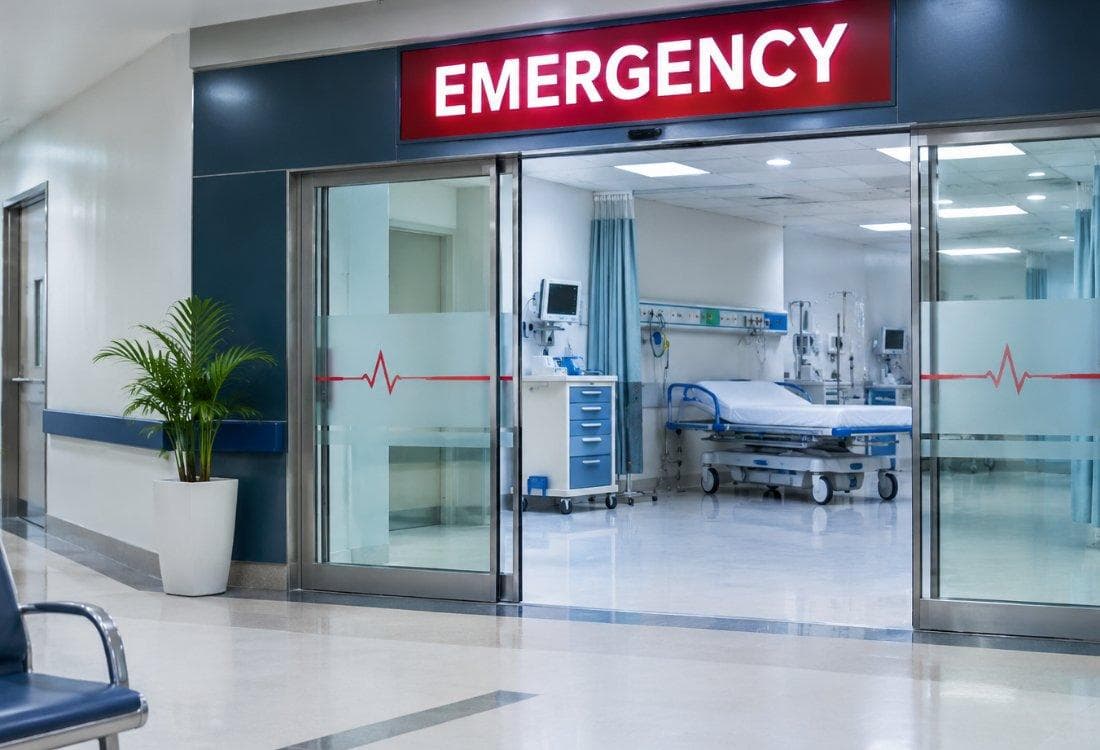
Life is always happening and moving forward and emergencies are inevitable. When medical emergencies happen you should be prepared and should know where to go. Medical emergencies come without warning and in such situations you need to get the medical care immediately. For instance if you experience a sudden chest pain, difficulty breathing, serious accident, or unexpected loss of consciousness then you need to get to the ER as soon as possible.
If you are a resident of the Twin cities then you should know where you can go in the time of medical emergencies . Knowing where to get the immediate medical attention can save a lot of time during serious situations. For residents of Rawalpindi, Bahria Town, and nearby Islamabad communities,Reliance Hospital provides 24/7 emergency services for patients requiring urgent medical assistance.
When to Visit the Emergency Room?
The emergency room is not for common illnesses, it is for the times when you need immediate medical attention. Any condition that appears life threatening and is getting worse by the passing time requires immediate medical attention and should be brought to the ER as soon as possible.You need to get yourself or the patient to the emergency room as soon as one starts showing any of these symptoms
- Chest pain: Sudden pressure, tightness, squeezing, or pain that spreads to the arm, jaw, back, or neck.
- Shortness of breath: Severe shortness of breath, gasping, choking, or an inability to speak comfortably.
- Stroke symptoms: Sudden facial drooping, weakness in one arm, difficulty speaking, confusion, or loss of balance.
- Unconsciousness: Fainting, becoming unresponsive, or difficulty waking someone.
- Severe bleeding: Bleeding that does not stop with direct pressure or happens after a major injury.
- Serious injuries: Road accidents,, head injuries, deep wounds, significant burns or fractures
- Severe allergic reactions: Sudden swelling of the face or throat, breathing difficulties, or collapse after exposure to an allergen.
- Seizures: Prolonged seizures, repeated seizures without recovery, or a first-time seizure.
These symptoms may not improve and can get worse. If you or anybody around you is experiencing any of these symptoms, call for emergency medical assistance immediately.
How to Handle a Medical Emergency
One thing about emergencies is that it tests your nerves but in order to save a patient you need to stay calm, assess the situation and then respond. In times of emergencies keeping control on your nerves until the patients get professional help is very important. Here is a guide on how to handle an emergency.
1.Assess the situation:
It is important to assess the situation whether the patient is breathing normally or visibly injured.
2.Call for emergency medical assistance:
If a patient is unconscious, struggling to breathe, experiencing severe chest pain, bleeding heavily, or seriously injured. Then call the ambulance and do not try to self medicate. Communicate about the symptoms and your location clearly. . If you are a resident of Rawalpindi then you have that service at the door step. Reliance Hospital lists a 24/7 ambulance service with trained paramedics and medical equipment for patient transportation and transfers.
3.Do not move seriously injured patients:
If a patient is facing any kind of fracture. Then do not move the patient unless it is necessary to avoid further risk. Call for an ambulance and wait for professional assistance. When calling for emergency assistance, try to provide:
- Your exact location and nearby landmarks
- The patient's age, if known
- Symptoms and when they started
- Whether the patient is conscious and breathing normally
4.Control severe bleeding:
If the patient is bleeding then try applying pressure on a wound with a clean cloth to avoid too much loss of blood. Also keep your phone accessible and follow the instructions provided by the emergency team.
5.Respond to unconsciousness appropriately:
If an adult is unresponsive and is not breathing normally or is only gasping, call for emergency medical assistance, start CPR immediately, and follow the dispatcher’s instructions. If the person is unresponsive but breathing normally, keep monitoring their breathing and follow the dispatcher’s instructions until help arrives.
6.Avoid giving anything to patient:
Do not give anything by mouth to someone who is unconscious, injured or in need of medical assistance. Avoid home remedies or unverified treatments that may delay proper medical care.
7.Keep essential medical information ready:
If you know about a patient's allergies, existing medical conditions, medications, and when the symptoms began, then give that information to the emergency dispatchers.
How Emergency Triage Works
Emergency departments use triage to assess patients according to the seriousness of their condition. When several patients arrive simultaneously, medical staff evaluate their symptoms, vital signs, injuries, and potential risks to determine who needs treatment first.
Patients with life-threatening conditions, such as cardiac emergencies, severe breathing difficulties, major trauma, or suspected stroke, generally receive priority over patients with less serious complaints.
This means arrival time alone does not determine the order of treatment. A patient with a critical condition may be assessed before someone who arrived earlier but is medically stable.
At Reliance Hospital, the Emergency Patient Department operates 24 hours a day and provides emergency assessment and treatment without requiring a prior appointment. Its emergency services include medical staff, diagnostic support, and laboratory facilities to assist with urgent situations.
What Emergency Services Are Available at Reliance Hospital?
Access to medical assessment, diagnostic support, and critical care is important when a patient arrives with a serious condition.
Reliance Hospital offers following services:
- 24/7 Emergency Patient Department: Medical assessment and care for urgent and critical conditions, including walk-in emergencies.
- Intensive Care Unit (ICU): Critical care and monitoring for patients who require a higher level of medical support.
- Ventilator support: Respiratory support for patients experiencing serious breathing or oxygenation problems when clinically required.
- Diagnostic services: On-site diagnostic and laboratory support to help doctors assess a patient's condition.
- Dialysis services: Support for patients with kidney-related conditions requiring dialysis.
- Operation theatre facilities: Surgical facilities for patients requiring operative treatment.
Final Statement
Emergencies require immediate medical attention and for the families in twin cities Reliance Hospital can be a life savior. Its services are remarkable and its emergency department works 24/7 . In stressful times, knowing the hospital's location, contact number, and available emergency services before an urgent situation arises can help families make a life saving decision.
Reliance Hospital
- Address: 131 Block C, Civic Center, Bahria Town, Islamabad
- Phone: 051-5732855
- Emergency services: Available 24/7
- Website: https://reliancehospital.org/